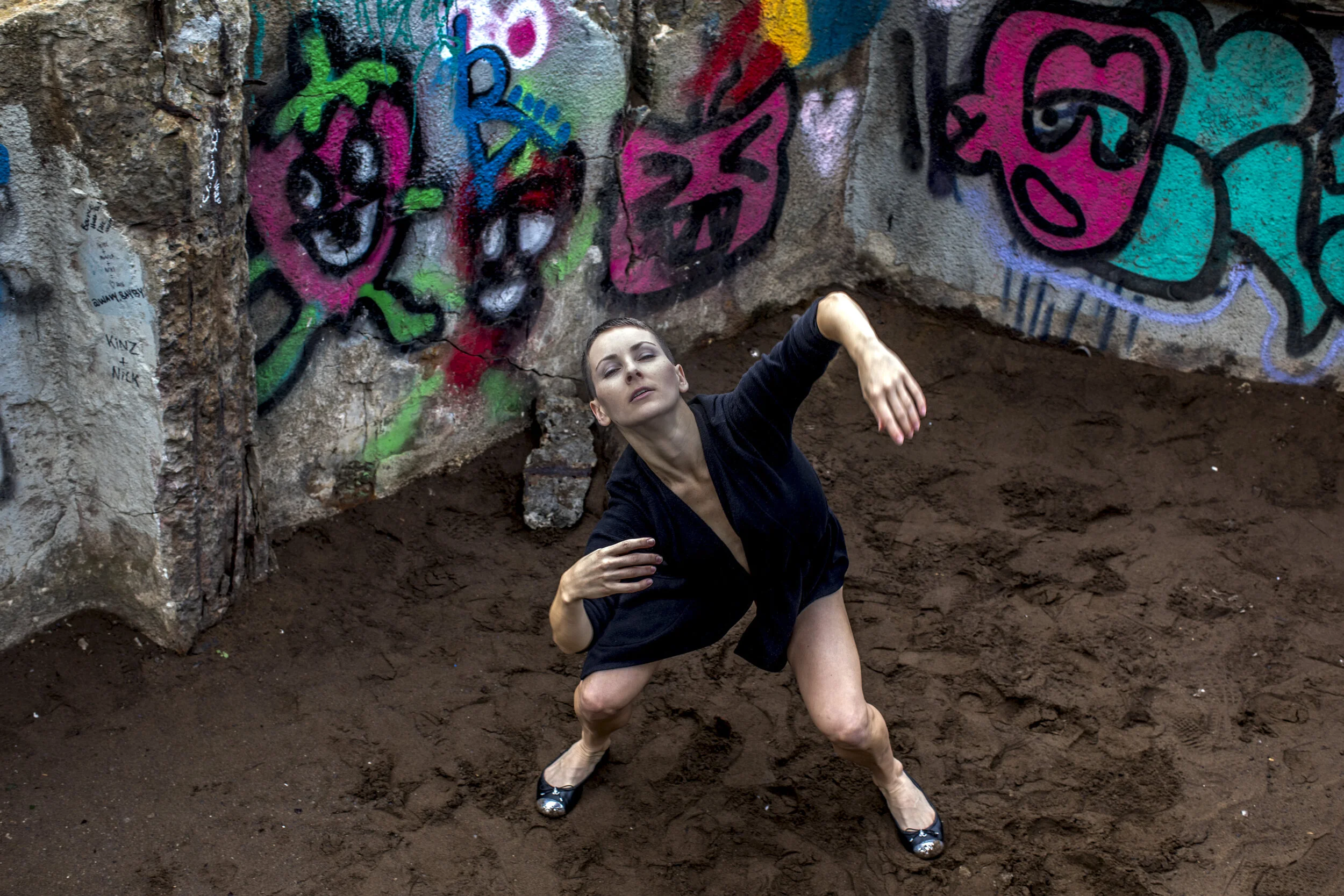
Lins Derry. Photography by Stephen Texeira.
Research


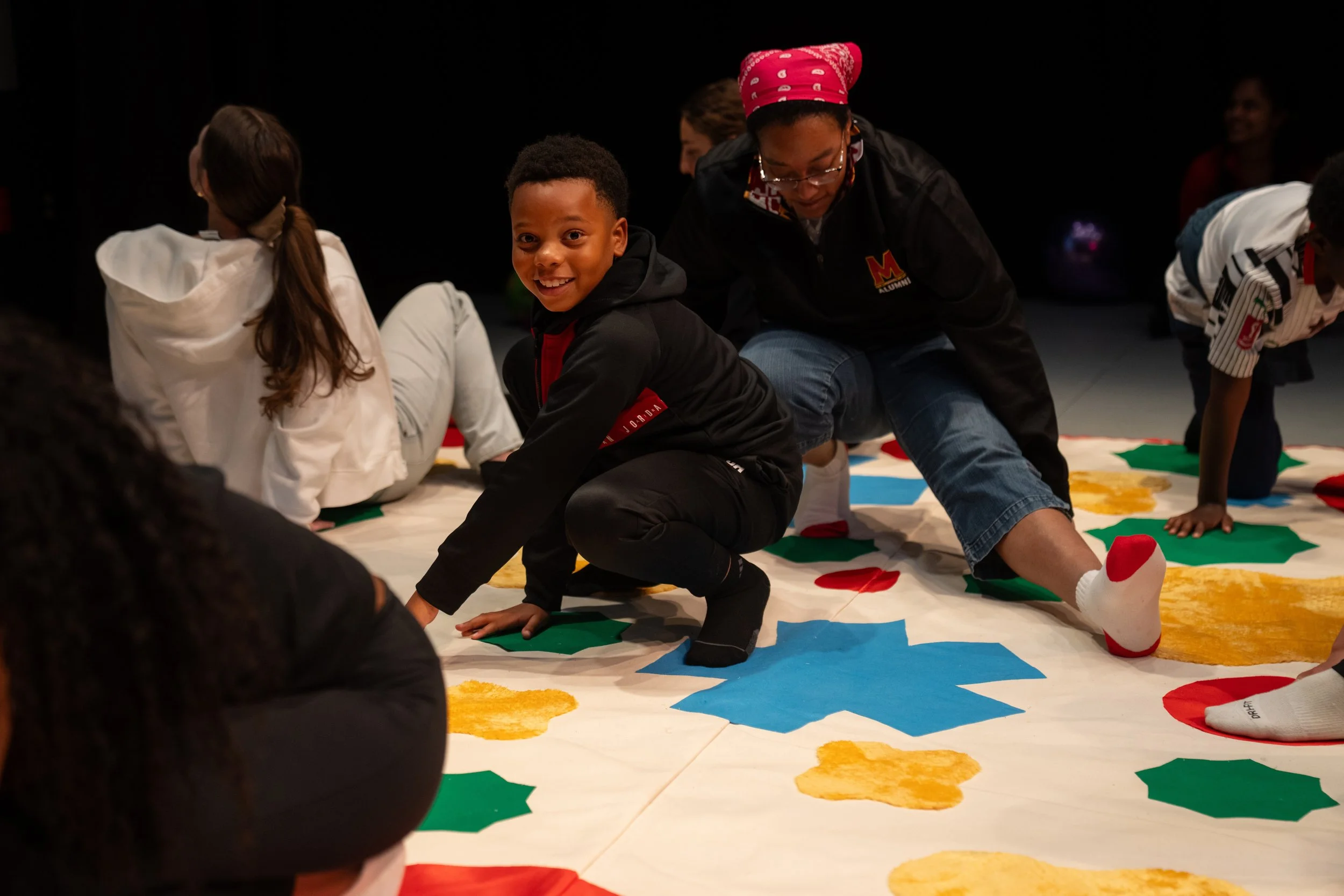


My current research examines the body-data relationship from the interdisciplinary perspective of choreography, data representation, and human-computer interaction. I am deeply curious about how performative bodies become information mediums through choreography, whether to make abstract data more sensorial and hence communicative as performance, or embodied data more legible and hence transferable to AI and other information systems. Relatedly, I am interested in how the body-medium is complicated by the subjective dweller who may affect the outcomes or very constitution of the data they are physically mediating. This has led me to experiment with designing choreographic interfaces aimed at increasing the kinetic and spatial interactivity between moving bodies and information systems, as well as with data embodiment, a method for translating datasets into performance scores (see Data Sensorium) or participatory experiences (see The Data Twist). Ultimately, these inquiries and projects ask: Given our physical indivisibility from our data-driven world, how can performance practice and theory help us to navigate the complexities of abstract information and the issues it produces, such as those pertaining to data representation, surveillance, and democratic engagement?
My research on the body-data relationship has been generously incubated at metaLAB (at) Harvard, where I was a Principal for five years ; the University of Maryland, College Park (UMD), where I was an Artist in Residence for two years; and The George Washington University, where I am currently a PhD student.
Dance

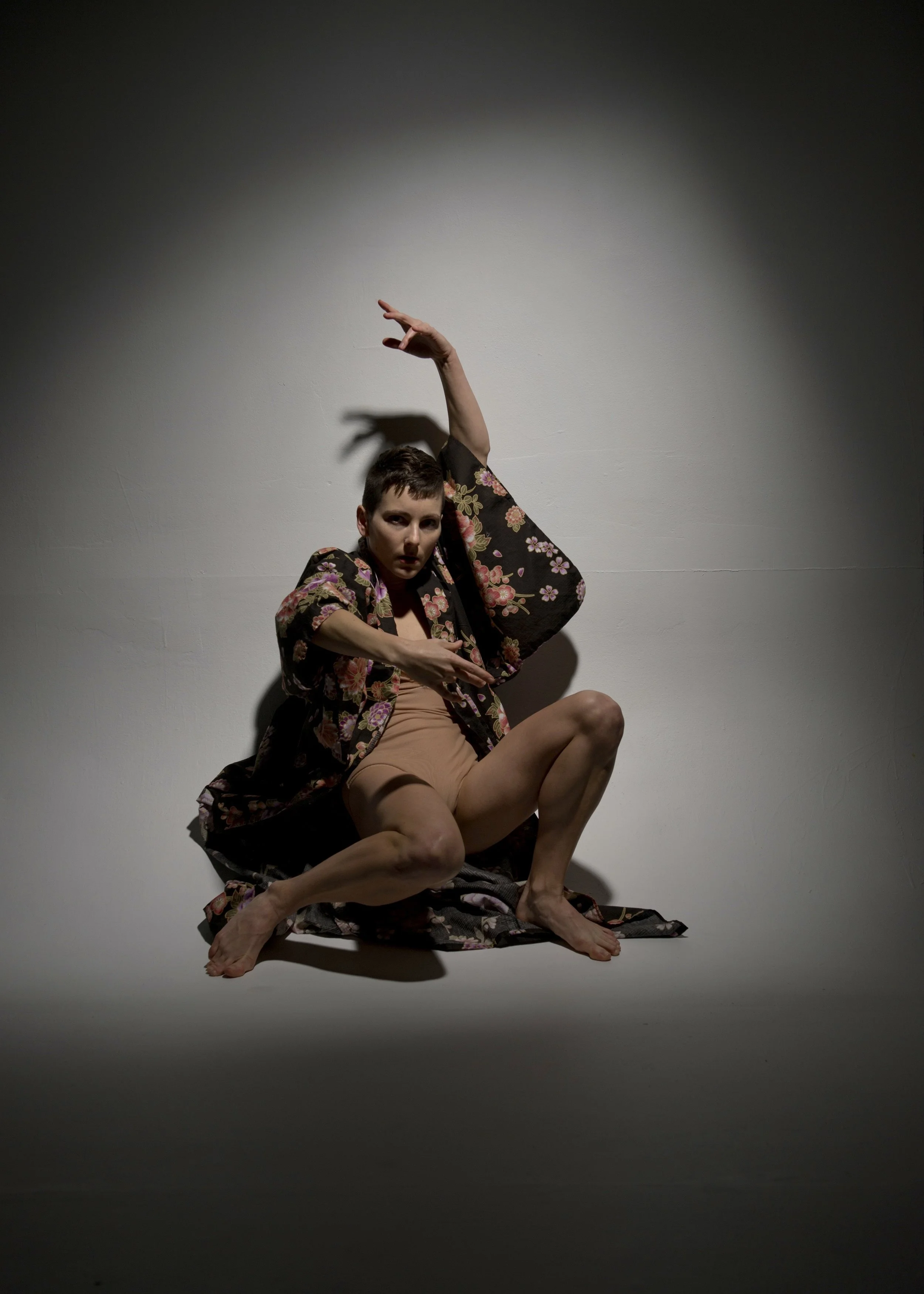
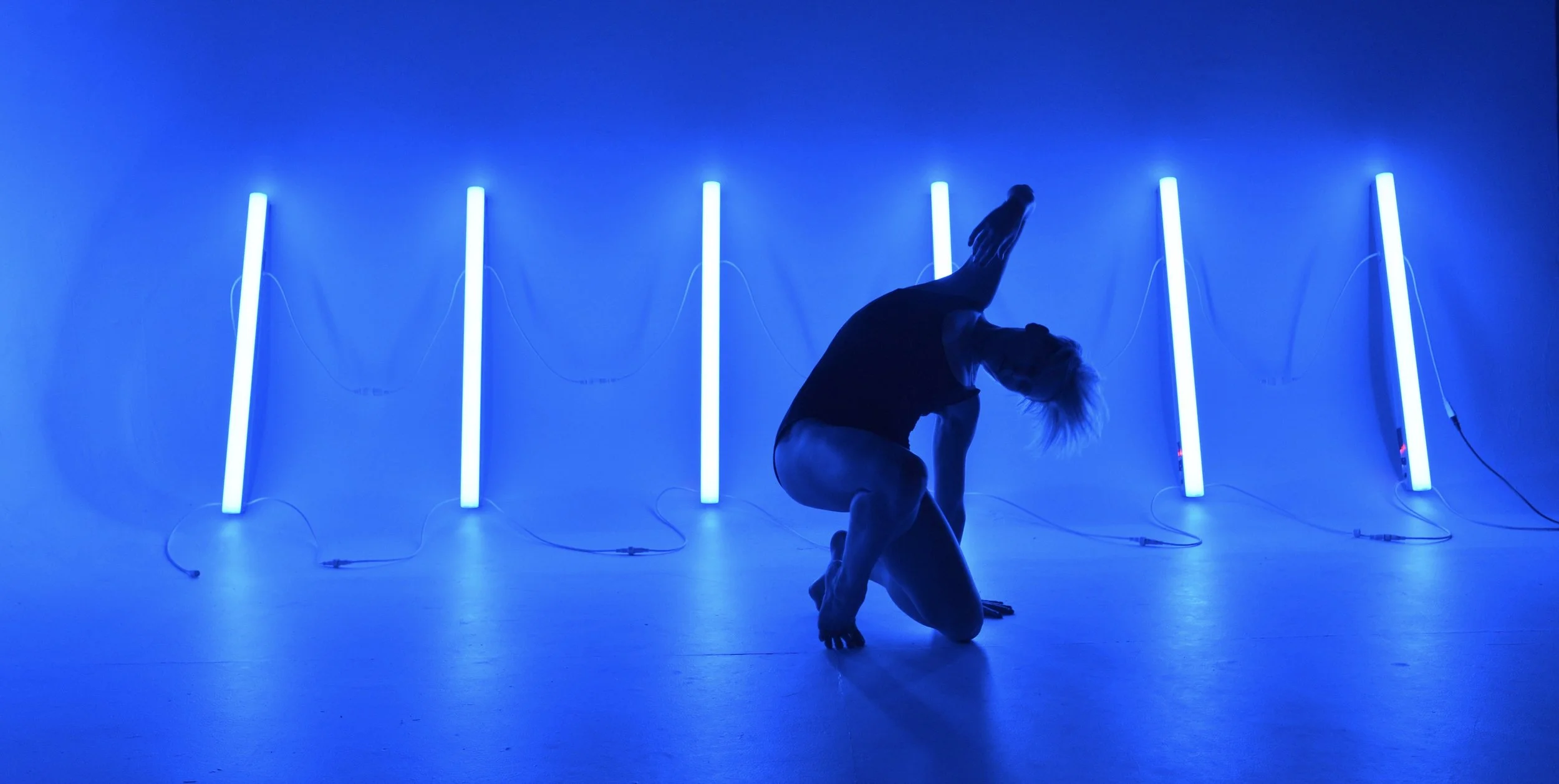
As a professional dancer (2004-17), I worked with TAKE Dance (Takehiro Ueyama), Nai-Ni Chen Dance Company, and RIOULT (Pascal Rioult) in New York City; José Navas/Compagnie Flak in Montréal; and Yannis Adoniou's KUNST-STOFF Dance Company and Hope Mohr Dance in San Francisco. With these companies, I had the opportunity to tour North America, Europe, and Asia. Highlights included dancing at the San Francisco Mint, Place des Arts in Montréal, Guggenheim Museum Bilbao, Oslo Opera House, and Korea's Modern Dance Festival.
In 2012, I launched Linsdans to serve as the platform for my solo performance work. One year later, I premiered POR·TRAI·TURE, featuring guest choreography by Iratxe Ansa, Sidra Bell, Alex Ketley, and José Navas—a show for which I received an Isadora Duncan Dance Award (Izzie) in San Francisco. Following this success, and with support from American Dance Abroad, the Zellerbach Family Foundation, and numerous residencies like the Djerassi Resident Artists Program, I had the opportunity to further develop and tour Linsdans repertory to Greece, Germany, Canada, Bulgaria, China, and Korea, which expanded to include Would_She and Remote Body. Highlights included performances at the Beijing Dance Festival, DOCK11 Berlin, and Joe Goode Annex in San Francisco. My solo work explored themes such as solitude, consumption, absurdity, suffering, and vitality through contemporary dance, video projection, and dramatic lighting props, and was often set to classical and electronic music.
Design
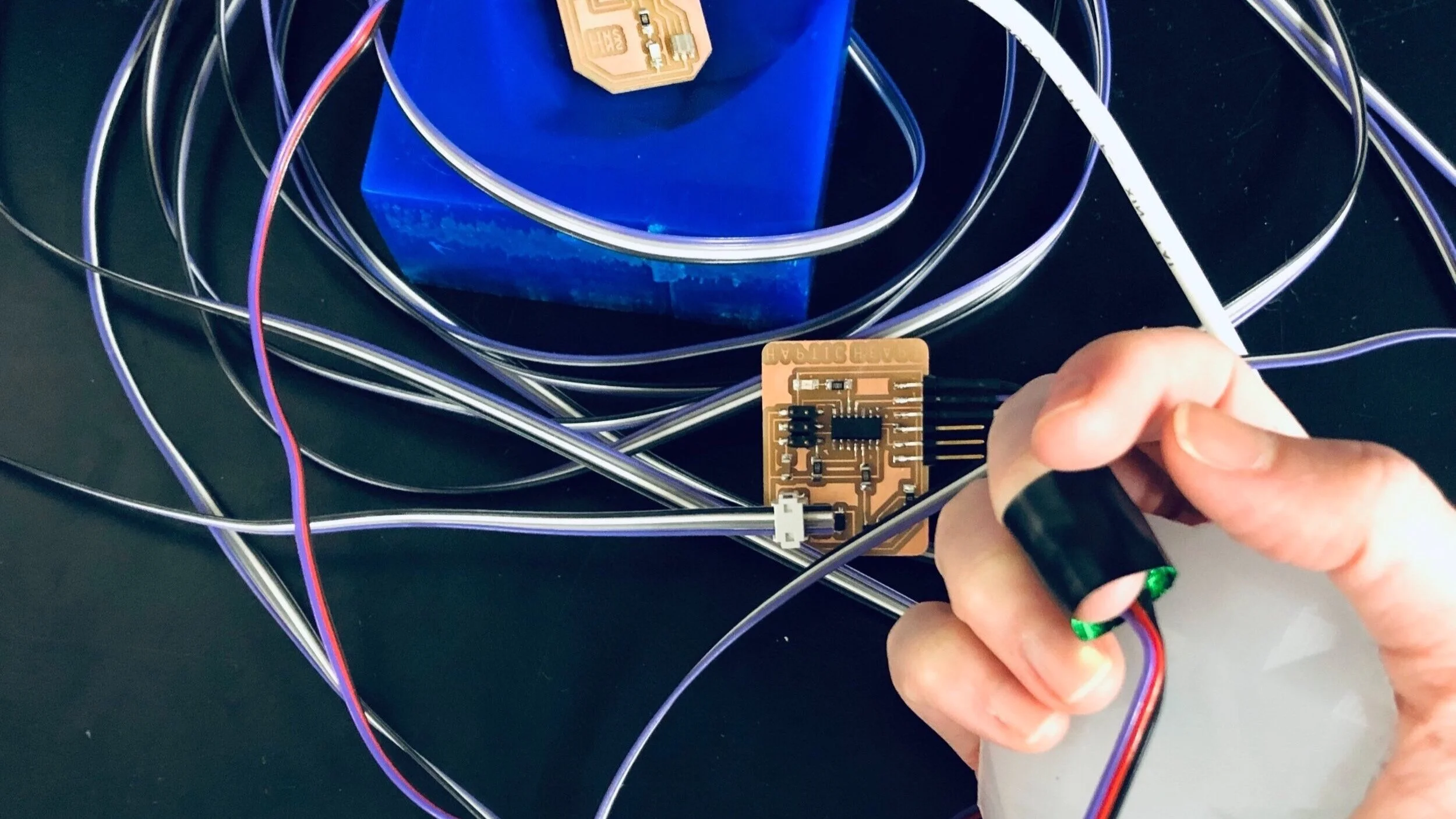


In 2018, I began to look for a new medium that could elicit a similar social impact as dance but across multiple settings. This led me to the pervasive field of design and specifically to the Harvard University Graduate School of Design. As a Master in Design Studies student, I worked with a variety of media—from tangible bits to mutable pixels—in my exploration of interaction design (see Graduate Work). After graduating with distinction, I joined metaLAB (at) Harvard, a knowledge-design lab experimenting in the networked arts, humanities, and technologies.
metaLAB (at) Harvard
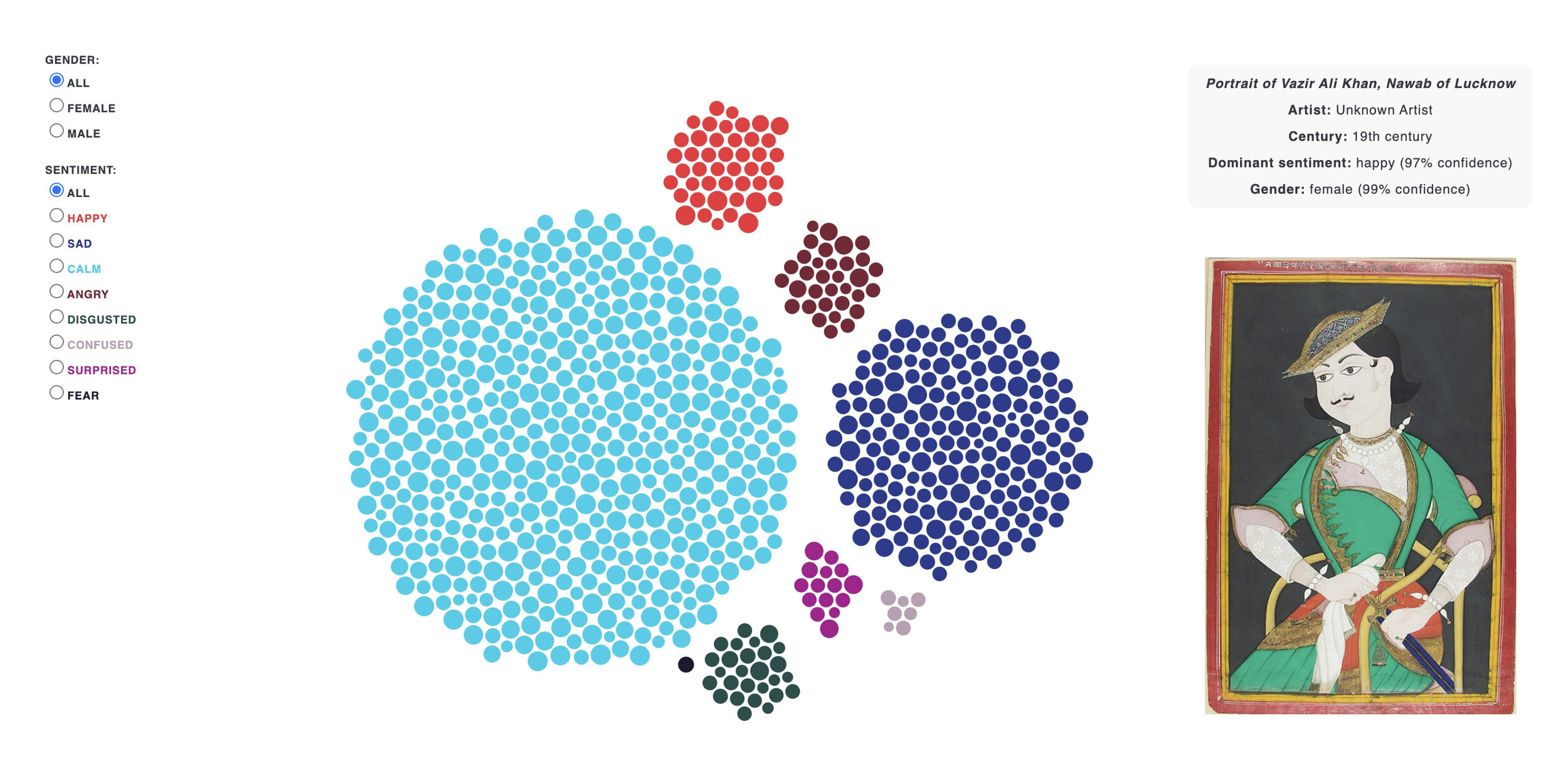


At metaLAB (at) Harvard, I contributed to several projects emphasizing data, embodiment, and AI. At the Harvard Art Museums in 2022, we presented Curatorial A(i)gents, a digital exhibition exploring the creative relationship between AI and curatorial practice. Through the show's various machine learning experiments, hundreds of works from "cold storage" were algorithmically surfaced, and many marginalized or otherwise invisible artists/works were brought into focus. In addition to project-managing the exhibition, I created Second Look: Gender and Sentiment on Show, a data visualization project based on the museum's portrait collection that interrogated the gender, sentiment, and color fields annotated by AWS's AI service. Furthermore, I co-developed a choreographic interface for digitally interacting with the show's screen-based projects using a gestural vocabulary while maintaining social distance. Following Curatorial A(i)gents, I co-curated a symposium at the Harvard ArtLab titled Data Kinesthetics, which comprised presentations, workshops, and performances at the intersection of dance, data, and identity spanning gender, race, and ethnicity. At the symposium, I presented Data Sensorium, a dance project focused on making a dataset on environmental migration more affective through performance. My final project at metaLAB/the University of Maryland, The Data Twist, invites participants to construct and play with survey data through a series of digitally mediated dance games including Twister, the intent of which is to reclaim public space as a site for open, democratic communication through movement. In addition to disseminating my work on these projects via lectures, workshops, and performances, I have published it in peer-reviewed journals, such as the International Journal of Performance Arts and Digital Media, and in conference proceedings like that of the International Conference on Movement and Computing.
Teaching
Teaching has always run parallel to my own learning, personal growth, and research. Most recently at the University of Maryland, College Park (UMD), I was an Artist in Residence at the School of Theatre, Dance, and Performance Studies; an Arts for All Faculty Fellow; and a Faculty Affiliate at the Artificial Intelligence Interdisciplinary Institute at Maryland. At UMD, I discovered teaching, research, and service to be appropriately symbiotic and celebrated. I especially enjoyed teaching theory-practice courses that attracted students from diverse majors. Prior to coming to UMD, I was a Professorial Lecturer at The George Washington University where I taught interaction design.
As an interdisciplinary artist, I take great pride in re/designing courses to help expand the curriculum. At UMD, I especially enjoyed redesigning Subversive Cultures and Performance, a Gen.Ed. that surveyed the performative approaches undertaken by subcultures, artists, and designers to collectively usurp, disrupt, critique, counter, and radically go beyond dominant cultural narratives and power structures. For the redesign, I subdivided the course into modules focused on methods grouped into the following categories: Avant-garde, Participatory, Speculative, Protest, Parasitical, and Comedic. Another course that I built from the bottom up was Immersive Visual and Embodied Interfaces for Dance, which explored methods for quantifying dance's kinesthetic data using motion capture technologies and other physical sensors with the goal of creating new ways of archiving, understanding, and experiencing dance. What I love most about re/designing syllabi is the opportunity to draw on my interdisciplinary experience to pedagogically respond to student, institutional, and societal needs.